
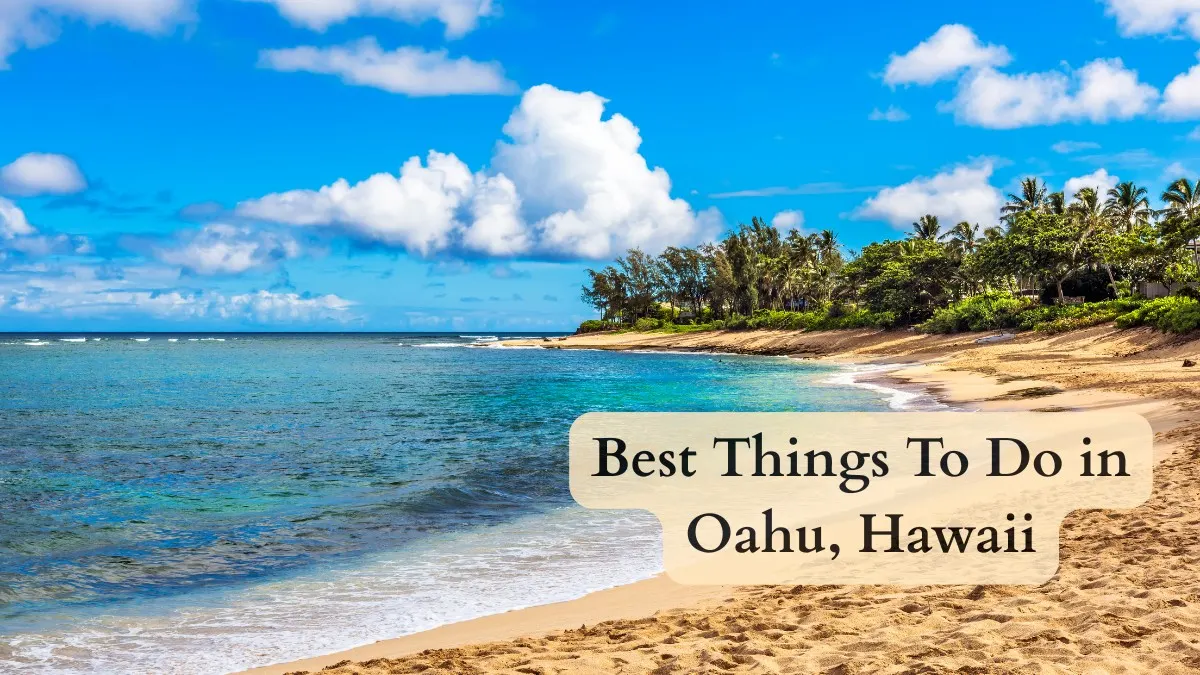
Oahu is the third-largest Hawaiian island and the most visited, receiving approximately 6 million tourists per year. Honolulu, the state capital, sits on its southern shore. The island spans 597 square miles and packs an extraordinary range of experiences into that space.
The best things to do in Oahu range from some of the most historically significant sites in American history to world-class surfing beaches, ridge hikes with views that justify every step, and a food scene shaped by Hawaiian, Japanese, Chinese, Filipino, Korean, and Portuguese influences simultaneously.
Most visitors stay in Waikiki and see only a fraction of what the island offers. This guide covers the full picture honestly, with real costs, practical logistics, and specific recommendations that go beyond the tourist surface.
The best things to do in Oahu include visiting Pearl Harbor and the USS Arizona Memorial, hiking the Koko Head Crater Trail, surfing or watching surfers at the North Shore, snorkelling at Hanauma Bay, watching the sunrise from Diamond Head, touring Iolani Palace, eating plate lunches at local spots, and driving the full Windward Coast.
Also Read: 10 Weekend Outdoor Activities Without Spending Money
List of Things To Do in Oahu, Hawaii
| Experience | Category | Approx. Cost | Time Needed |
|---|---|---|---|
| Pearl Harbor and USS Arizona Memorial | History | $1-$25 depending on programme | Half to full day |
| Diamond Head crater hike | Outdoors | $5/person | 2-3 hours |
| Hanauma Bay snorkelling | Water/Nature | $25/person | Half day |
| North Shore surf watching | Outdoors | Free | 2-3 hours |
| Koko Head Crater Trail | Outdoors | Free | 2-3 hours |
| Iolani Palace tour | History/Culture | $22/adult | 1-2 hours |
| Waimea Valley | Nature/Culture | $20/adult | 2-3 hours |
| Polynesian Cultural Center | Culture | $60-$120/adult | Full day |
Best Things To Do In Oahu: History and Culture
1. Visit Pearl Harbor
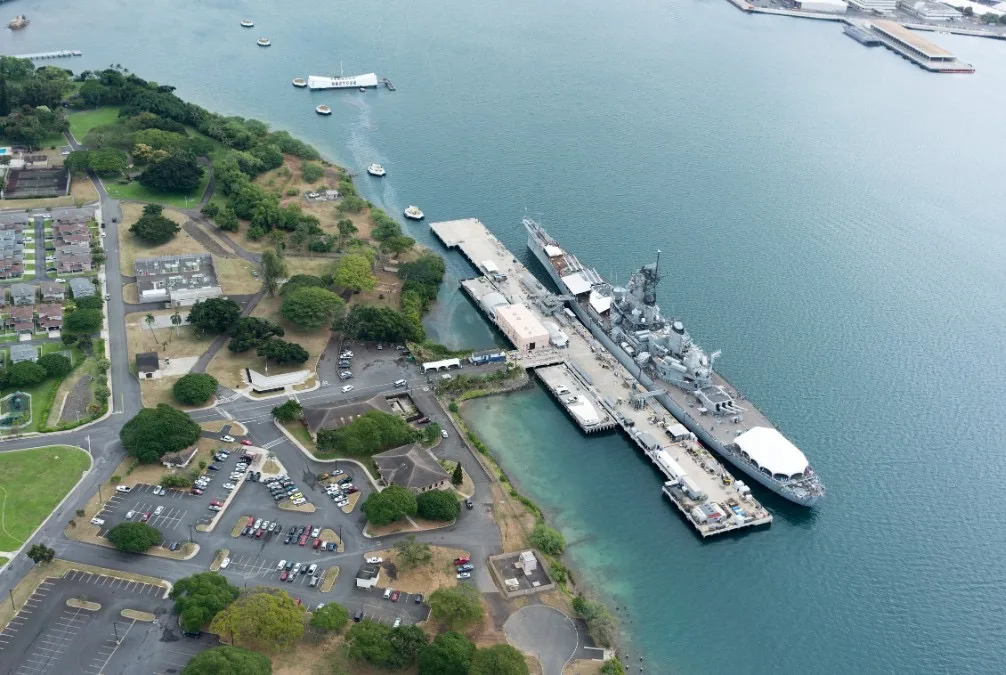
Pearl Harbor is the most historically significant site on Oahu and one of the most visited national historic landmarks in the United States. The attack on December 7, 1941 brought the US into World War II. The Pearl Harbor National Memorial covers multiple sites across the harbour.
Key sites and costs:
| Site | Cost | Notes |
|---|---|---|
| USS Arizona Memorial | $1 (boat fee) | Free timed tickets required, book at recreation.gov |
| USS Missouri | $32/adult, $16/child | The battleship where Japan’s surrender was signed |
| USS Bowfin Submarine | $16/adult, $8/child | Walk through a WWII submarine |
| Pacific Aviation Museum | $25/adult, $15/child | Aircraft and pilot history on Ford Island |
| Pearl Harbor Visitor Center | Free | Exhibits and film included without charge |
Book USS Arizona Memorial tickets at recreation.gov well in advance. Free tickets release 60 days ahead and often sell out within hours of becoming available. The memorial is accessible only by Navy boat, which departs from the visitor centre.
Allow a full day if visiting multiple sites. The Pearl Harbor National Memorial alone warrants three to four hours. Combine with the USS Missouri for the most complete historical narrative, as the Missouri marks the end of the war that the Arizona marks the beginning of.
Pearl Harbor sits 9 miles west of Waikiki. The Bus route 42 reaches it from Waikiki for $3. Parking at the visitor centre is free but fills early. Arrive before 8 AM to secure parking and first-boat tickets.
2. Tour Iolani Palace
Iolani Palace at 364 South King Street in downtown Honolulu is the only royal palace on American soil. Built in 1882 during the reign of King Kalakaua, it served as the official residence of the Hawaiian monarchy until the overthrow of the Hawaiian Kingdom in 1893. Queen Liliuokalani, the last Hawaiian monarch, was imprisoned here for eight months in 1895.
The palace underwent a $7 million restoration project and reopened as a museum. Its rooms display original royal artefacts, portraits, and period furnishings.
Tour options:
- Self-guided audio tour: $22 for adults, $6 for children aged 5-12. Includes audio handset and all four floors.
- Guided docent tour: $28 for adults, available Tuesday through Saturday at specific times. Book at iolanipalace.org.
- Basement galleries only: $7 for adults, covers the crown jewels and royal regalia without entering the palace rooms.
The palace is open Tuesday through Saturday, 9 AM to 4 PM. It is closed Sundays and Mondays. Photography is permitted in most rooms. The palace grounds are free to walk at any time.
Iolani Palace sits directly across from the Hawaii State Capitol and a short walk from Chinatown and the historic downtown core. Combine with a walking tour of downtown Honolulu for a full half-day of Hawaiian history.
3. Explore the Bishop Museum
The Bishop Museum at 1525 Bernice Street is the largest natural and cultural history museum in Hawaii and one of the finest Pacific collections in the world. Founded in 1889 by Charles Reed Bishop in honour of his wife Princess Bernice Pauahi Bishop, the museum holds over 25 million artefacts, specimens, and documents.
Key collections:
- Hawaiian Hall – Three floors of Hawaiian cultural objects including feather cloaks, koa wood furniture, and pre-contact artefacts in a Victorian building unchanged since 1903
- Pacific Hall – Objects from across Polynesia, Micronesia, and Melanesia
- Science Adventure Center – Hands-on natural science exhibits covering volcanology, oceanography, and Hawaiian ecology
- Planetarium – Digital full-dome shows on Hawaiian navigation and astronomy
- Jhamandas Watumull Galleries – Rotating exhibitions on Hawaiian cultural practice
Admission: $24.95 for adults, $16.95 for children aged 4-17, free for children under 4. The museum is open Wednesday through Monday, 9 AM to 5 PM. It closes Tuesdays.
4. Walk Historic Chinatown
Honolulu’s Chinatown covers a 15-block area immediately northwest of downtown and is one of the oldest Chinatowns in the US, established in the 1850s. It is a working neighbourhood rather than a tourist set-piece, with produce markets, herb shops, lei makers, and restaurants operating alongside art galleries and bars.
What to do in Chinatown:
- Walk the Oahu Market on North King Street, open since 1904, selling whole fish, tropical produce, and fresh noodles
- Visit Maunakea Marketplace for fresh-made poke, noodle soups, and Filipino dishes at low prices
- Buy fresh-cut leis from the lei sellers on Maunakea Street, the highest concentration of lei shops in Hawaii
- Walk the First Friday Art Walk on the first Friday evening of each month when galleries stay open late and the neighbourhood fills with live music
Free to walk. Budget $10-$20 for food and a lei.
Best Things To Do In Oahu: Outdoors and Nature
5. Hike Diamond Head Crater
Diamond Head is the extinct volcanic tuff cone forming the eastern boundary of Waikiki. The 560-foot summit trail covers 1.6 miles round trip with 560 feet of elevation gain through a series of tunnels and stairs built by the US Army in 1908. The summit view covers the full length of Waikiki Beach and the Honolulu coastline east to Koko Head.
Practical details:
- Entry: $5 per person (pedestrian), $10 per vehicle
- Trail opens at 6 AM and closes at 6 PM. Last entry is at 4:30 PM.
- Book timed entry tickets at hawaii.gov/dlnr or recreation.gov. Walk-in tickets are no longer reliably available on peak days.
- The trail involves 99 steps, a 225-foot tunnel, and a 54-step spiral staircase. All are well-lit.
- Allow 90 minutes for the round trip at a moderate pace, including summit time.
Go before 8 AM or after 3 PM to avoid peak crowds. The trail is fully exposed and can be hot between 10 AM and 2 PM. Bring at least one litre of water per person.
6. Hike the Koko Head Crater Trail
Koko Head Crater sits at the eastern end of Oahu, 10 miles from Waikiki, and offers one of the most physically demanding and rewarding hikes among the best things to do in Oahu. The trail climbs 1,048 stairs built on a decommissioned military railway track to a 642-foot summit with unobstructed views of Hanauma Bay, the Koolau Mountains, and the Pacific.
Key facts:
- Length: 1.8 miles round trip
- Elevation gain: 642 feet in 0.9 miles (extremely steep)
- Difficulty: Strenuous. The steps are uneven and there are no handrails on the exposed sections.
- Entry: Free. No permit required.
- Parking: Free at the Koko Head District Park car park off Lunalilo Home Road.
- Best time: Before 7 AM or after 4 PM to avoid heat and crowds.
The trail takes 30-45 minutes up and 20-30 minutes down for most adults. At the top, a flat concrete bunker roof provides a 360-degree viewing platform.
7. Snorkel at Hanauma Bay
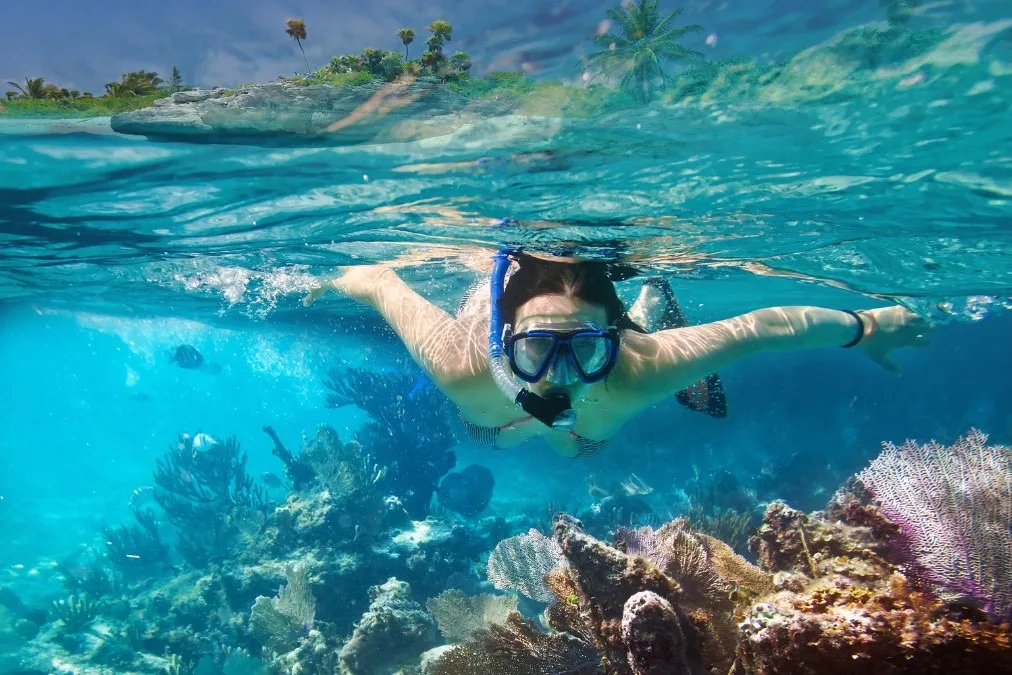
Hanauma Bay is a protected marine life conservation area in a collapsed volcanic crater on Oahu’s southeastern coast. The bay shelters a coral reef system home to over 400 species of reef fish, sea turtles, and occasional spinner dolphins. It is one of the most accessible snorkelling experiences in the Pacific.
Reservation system:
- Entry costs $25 per person for non-residents. Hawaii residents enter free.
- Timed entry reservations are mandatory. Book at hanaumabaystatepark.com up to two days in advance.
- Walk-in spots are available on a limited first-come basis from 6:45 AM. Arrive before 6 AM to secure walk-in entry.
- The bay is closed on Tuesdays for ecosystem recovery.
What to bring:
- Your own snorkel gear to avoid rental fees ($12-$15 per set at the bay)
- Reef-safe sunscreen only. Chemical sunscreens are banned inside the bay.
- Water and snacks. The facility has a snack bar but prices are high.
- Underwater camera or GoPro for reef photography
8. Drive and Hike the Windward Coast
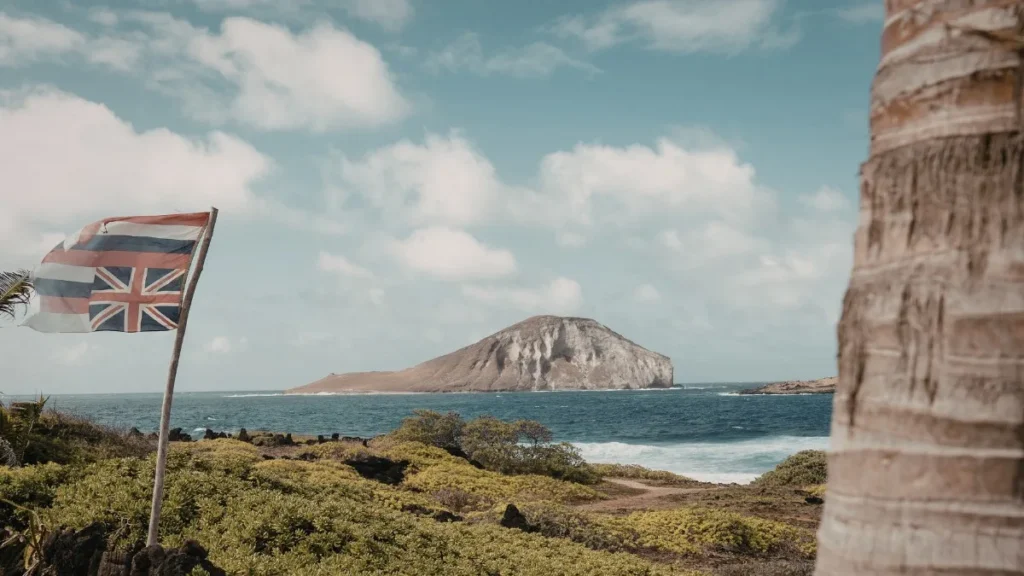
Oahu’s Windward (eastern) Coast runs from Makapuu Point in the south to the North Shore in the north and is the least tourist-dense part of the island accessible by the main highway. The Koolau Mountains form a dramatic green backdrop to every view.
Key stops driving north on the Kamehameha Highway (Route 83):
- Makapuu Point Lighthouse Trail – A 2-mile paved trail to a 647-foot lighthouse with views of the Mokulua Islands and whale sightings in winter (December through April). Free. Takes 60-90 minutes.
- Lanikai Beach – A narrow strip of white sand facing the twin Mokulua Islands, consistently rated one of the best beaches in the world. Free. Park on Mokulua Drive and walk through a beach access path.
- Kailua Beach Park – A wide, flat, white sand beach with calm water ideal for swimming. Free parking in the adjacent lot. Paddleboard and kayak rentals available from $25/hour.
- Waimea Valley – A botanical garden and cultural preserve with a 45-foot waterfall at its end. Admission $20 for adults, $10 for children. The 1.5-mile walk through the valley takes 60-90 minutes.
- Laniakea Beach (Turtle Beach) – The most reliably accessible sea turtle viewing spot on the island. Free. Hawaiian green sea turtles haul out on the beach regularly between 11 AM and 3 PM.
9. Watch World-Class Surf on the North Shore
The North Shore of Oahu runs roughly 7 miles from Haleiwa to Sunset Beach and hosts the most powerful rideable surf in the world from November through February. The Vans Triple Crown of Surfing, one of the most prestigious professional surfing competitions in the world, runs at Sunset Beach, Haleiwa, and the Banzai Pipeline each November and December.
Pipeline, located at Ehukai Beach Park on Kamehameha Highway, is the most watched surf break in the world. The reef-breaking waves produce hollow barrels reaching 15-25 feet on significant swells. Free to watch from the beach. Competitions are free to attend as a spectator.
Non-competition season (March through October) sees the North Shore transform into calm, flat water ideal for swimming, snorkelling, and beginner surfing. Surf schools on the North Shore charge $75-$100 per person for a two-hour group lesson.
The drive from Waikiki to Haleiwa takes 45-60 minutes via the H-2 freeway. Parking on the North Shore fills completely during major swell events. Consider using The Bus route 52 from Ala Moana Center.
10. Kayak to the Mokulua Islands
The two Mokulua Islands sit just off Lanikai Beach on the Windward Coast and are reachable by kayak in 15-20 minutes from the shore. The larger island, Moku Nui, has a white sand beach, a blowhole, and nesting seabird colonies. Landing is permitted on Moku Nui. The smaller Moku Iki is a protected bird sanctuary where landing is prohibited.
Kayak rental:
- Twogood Kayaks in Kailua rents sit-on-top kayaks for $59-$79 per day per kayak (seats two people). They deliver to Kailua Beach.
- Kailua Beach Adventures rents kayaks at $49-$69 per day and provides a self-guided instruction packet.
- Guided tours to the Mokulua Islands run $75-$85 per person and include a picnic on Moku Nui Beach.
Go before 10 AM for the calmest crossing conditions. Trade winds pick up from late morning and make the return paddle more demanding.
Best Things To Do In Oahu: Food and Local Culture
11. Eat Your Way Through Local Oahu Food
The food scene on Oahu reflects the island’s ethnic diversity directly. Japanese, Chinese, Filipino, Korean, Portuguese, and native Hawaiian culinary traditions have developed alongside each other for over 150 years and produced a local food culture found nowhere else.
Non-negotiable local food experiences:
| Dish | Where to Eat | Cost |
|---|---|---|
| Plate lunch (two scoops rice, macaroni salad, protein) | Rainbow Drive-In, Honolulu | $8-$12 |
| Fresh poke bowl | Ono Seafood, Kapahulu Ave | $12-$18 |
| Shave ice | Matsumoto Shave Ice, Haleiwa | $4-$7 |
| Loco moco (rice, burger, egg, gravy) | Cafe 100, though original on Big Island | $8-$12 |
| Malasadas (Portuguese doughnuts) | Leonard’s Bakery, Kapahulu Ave | $1.50 per piece |
| Saimin (local noodle soup) | Shiro’s Saimin Haven, Aiea | $7-$12 |
| Garlic shrimp plate | Giovanni’s Shrimp Truck, Kahuku | $14-$16 |
Giovanni’s Shrimp Truck in Kahuku on the North Shore is one of the most famous food trucks in Hawaii. The line is long on weekends. Go on a weekday or arrive before 11 AM.
12. Visit the Polynesian Cultural Center
The Polynesian Cultural Center in Laie on the North Shore is the most visited paid attraction in Hawaii, covering 42 acres and representing six Pacific Island nations: Hawaii, Samoa, Aotearoa (New Zealand), Fiji, Tonga, and Tahiti. It is operated by Brigham Young University Hawaii.
Each village demonstrates traditional crafts, cooking, performance, and daily life practices from its respective culture. Guides in each village are typically university students from that Pacific nation.
Admission packages:
- Ambassador Package: $60/adult, $48/child. Includes all villages, evening show, and buffet dinner.
- Gateway Package: $120/adult, $96/child. Adds preferred seating and additional access.
- The evening show, “Ha: Breath of Life,” runs 90 minutes and covers Pacific Island creation stories through dance and fire performance.
The center is open Monday through Saturday, noon to 9 PM. It is closed Sundays. Laie is 35 miles from Waikiki, a 50-60 minute drive.
13. Experience a Luau
A luau is the traditional Hawaiian feast and celebration format. Oahu has several commercial luau operations ranging from resort hotel productions to more culturally focused events.
Main luau options on Oahu:
| Luau | Location | Cost Per Adult | Format |
|---|---|---|---|
| Chief’s Luau | Ko Olina | $109-$169 | Traditional grounds, interactive cultural activities |
| Paradise Cove Luau | Ko Olina | $99-$145 | Large-scale beachfront production |
| Royal Hawaiian Luau | Waikiki | $145-$175 | At the historic Pink Palace hotel |
| Germaine’s Luau | Ewa Beach | $85-$105 | Oldest luau on Oahu, established 1971 |
All include unlimited food and open bar, traditional Hawaiian dishes (kalua pig, poi, lomi salmon, haupia), and a Polynesian performance show. Book at least two weeks in advance for weekend dates.
Best Things To Do In Oahu: Beaches
14. Spend Time on Oahu’s Best Beaches
Oahu has over 60 beaches covering 60 miles of coastline. Each has a distinct character and suits different activities and experience levels.
Beach guide by activity:
| Beach | Best For | Facilities | Season |
|---|---|---|---|
| Waikiki Beach | Swimming, beginner surf, people watching | Full facilities, lifeguards | Year-round |
| Lanikai Beach | Swimming, kayaking, views | No facilities, bring everything | Year-round |
| Kailua Beach | Swimming, stand-up paddleboarding | Full facilities, rentals nearby | Year-round |
| Sunset Beach | Watching big wave surf, walking | Portable facilities in season | Surf: Nov-Feb |
| Waimea Bay | Swimming (summer), big wave watching (winter) | Full facilities, lifeguards | Swim: May-Sep |
| Sandy Beach | Experienced bodyboarders only | Full facilities | Year-round (strong shorebreak) |
| Makapuu Beach | Bodyboarding, watching | Portable facilities | Year-round |
Sandy Beach has the strongest shorebreak on Oahu and injures more people per year than any other beach on the island. It is not suitable for casual swimmers. Heed posted warning signs.
15. Learn to Surf in Waikiki
Waikiki is the best place in the world to learn to surf. The offshore reef creates long, gentle, rolling waves called Canoes and Queens that break slowly and consistently, giving beginners time to stand, balance, and ride. Hawaiian surf culture originated on this stretch of water.
Surf lesson logistics:
- Group lessons (2 hours): $35-$50 per person. Most schools guarantee you will stand up on a board.
- Private lessons (1-2 hours): $75-$125 per person. Better for focused technique development.
- Board rental (after lessons): $15-$20/hour for soft-top beginner boards from beach vendors.
- Best instructors: Hans Hedemann Surf School, Waikiki Surf Club, and Faith Surf School all have consistent reviews and experienced instructors.
Surf schools operate from the beach in front of the major Waikiki hotels. Book in advance for morning sessions, which have the calmest conditions.
Practical Tips for Visiting Oahu
- Rent a car for at least two days. The Bus covers Honolulu and major tourist sites but is impractical for the North Shore, Windward Coast, and eastern beaches. Car rental averages $60-$90 per day. Book at least two weeks ahead in summer.
- Start early every day. Popular sites including Diamond Head, Hanauma Bay, and the North Shore crowds build rapidly from 9 AM. Being anywhere by 7-7:30 AM produces a qualitatively different experience.
- Use reef-safe sunscreen only. Hawaii law prohibits sunscreens containing oxybenzone and octinoxate in all state waters. Mineral sunscreens with zinc oxide or titanium dioxide are the compliant alternatives.
- Respect ocean warnings. The United States Lifesaving Association statistics show that Hawaii beaches account for some of the highest drowning rates in the US. Always swim at lifeguarded beaches and respect red flag and high surf advisories.
- Book Pearl Harbor tickets 60 days out. USS Arizona Memorial free tickets release on recreation.gov 60 days in advance and sell out within hours on peak dates. Set a calendar reminder.
- Eat away from Waikiki for real prices. Restaurant prices in Waikiki run 30-50% higher than equivalent quality establishments one mile inland in Kapahulu, Kaimuki, or Chinatown. A $30 Waikiki plate lunch equivalent costs $12-$15 at Rainbow Drive-In.
Best Time to Visit Oahu
| Season | Conditions | Best Activities |
|---|---|---|
| Summer (Jun-Aug) | 85-90°F, calm ocean, dry | Swimming, snorkelling, kayaking, Windward Coast |
| Fall (Sep-Nov) | 80-87°F, transition, smaller crowds | All activities, lower hotel rates |
| Winter (Dec-Feb) | 75-82°F, North Shore swell, some rain | North Shore surf, whale watching, Pearl Harbor |
| Spring (Mar-May) | 78-85°F, light trade winds | Hiking, surf lessons, Hanauma Bay, Diamond Head |
September through November is the most practical season for most visitors. Crowds drop significantly after Labor Day, hotel rates fall by 15-25%, and weather remains warm with trade winds keeping humidity manageable.
FAQs: Best Things To Do In Oahu
How many days do you need to see the best things to do in Oahu?
Seven days covers Pearl Harbor, Diamond Head, Hanauma Bay, the Windward Coast, the North Shore, Iolani Palace, and Waikiki beach time comfortably. Five days covers the highlights without day trips to the Windward Coast or North Shore. Ten days lets you add the Polynesian Cultural Center, a luau, and multiple hikes.
What are the best free things to do in Oahu?
Watching surfers at Pipeline, walking Lanikai Beach, hiking Koko Head Crater Trail, driving the Windward Coast, watching sea turtles at Laniakea Beach, walking Honolulu’s Chinatown, attending a hula performance at the Kuhio Beach Hula Mound (free Tuesday and Thursday evenings), and watching the sunrise from Waikiki Beach all cost nothing.
Is Oahu worth visiting over the other Hawaiian islands?
Oahu offers more historical and cultural depth than Maui or Kauai, along with better public transport and a wider food scene. It is more urban and more crowded than the other islands. If you prioritise natural scenery and isolation, Kauai or the Big Island suit those preferences better. Oahu rewards travellers who want history, food, surf culture, and beaches in one place.
What is the best area to stay in Oahu?
Waikiki suits first-time visitors for its central location, walkable beach access, and concentration of surf schools and tour operators. Kailua on the Windward Coast suits travellers who prefer a quieter, more local atmosphere with direct access to some of the island’s best beaches. North Shore accommodation is limited and suits surfers specifically.
What should you not miss on a first visit to Oahu?
Pearl Harbor and the USS Arizona Memorial, Diamond Head sunrise or early morning hike, Hanauma Bay snorkelling, the North Shore drive and shave ice in Haleiwa, poke at Ono Seafood, Iolani Palace, and at least one beach day on Lanikai or Kailua Beach. These represent the most essential and distinctively Oahu experiences unavailable elsewhere.
How do you get around Oahu without a car?
The Bus covers most major tourist sites for $3 per ride or $7.50 per day pass. Route 42 reaches Pearl Harbor. Route 52 reaches the North Shore. Route 57 covers the Windward Coast to Kailua. For Hanauma Bay, a shuttle operates from Waikiki hotels for $5-$10 return. A car becomes necessary for flexible Windward Coast and North Shore exploration.
Conclusion
The best things to do in Oahu reward the visitor who goes beyond Waikiki. Pearl Harbor, the Windward Coast, Hanauma Bay, the North Shore, and the hiking trails above Honolulu all deliver experiences that stand completely independently of the beach. Plan early mornings, book Pearl Harbor and Hanauma Bay well in advance, eat away from the resort corridor, and give yourself at least a week. The best things to do in Oahu are genuinely varied enough to justify every day you give them.



Leave a Comment