
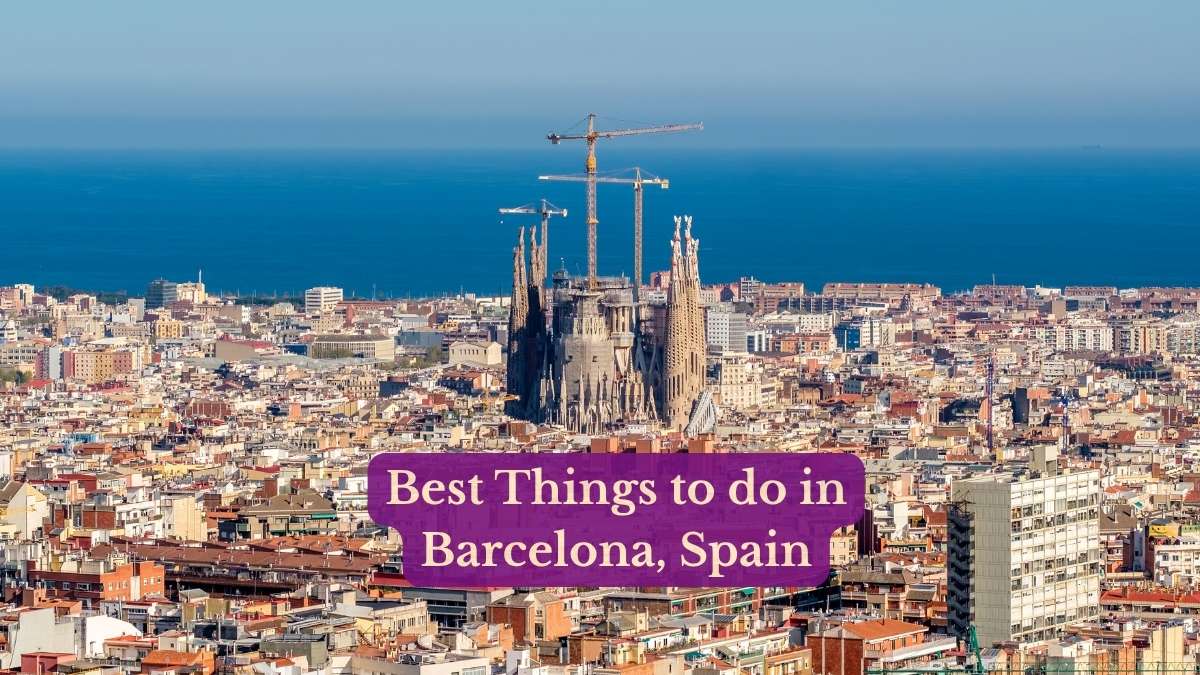
Planning the best things to do in Barcelona brings you to one of Europe’s most captivating cities where Antoni Gaudí’s architectural wonders meet Mediterranean beaches, Gothic streets contrast with modernist buildings, and tapas bars pack every corner.
Barcelona sits on Spain’s northeastern coast with a population of 1.6 million and draws over 12 million visitors each year. The Sagrada Familia basilica started construction in 1882, and urban legend suggests that it may never actually be “finished”, as the church’s hundred-year “unfinished” status is something of a draw in itself.
Construction is forecast to be completed by 2026, although there will be continued work on decorative elements and the main staircase. This guide covers architecture, beaches, food, culture, and day trips that make Barcelona one of the most complete European destinations.
Must Read: 15 Best Things to do in Boise, Idaho
The best things to do in Barcelona include visiting Sagrada Familia and Gaudí’s architectural masterpieces, exploring Gothic Quarter streets, enjoying tapas and cava, relaxing on Barceloneta Beach, wandering Park Güell, experiencing Camp Nou stadium, and taking day trips to Montserrat.
Best Things to Do in Barcelona by Interest
| Interest | Best Picks |
|---|---|
| Architecture | Sagrada Familia, Casa Batlló, Park Güell, Gothic Quarter |
| Food & Drink | Tapas bars, cava tasting, La Boqueria market, fideuà |
| Beaches | Barceloneta, Bogatell, Nova Icaria |
| Culture | Palau de la Música, Picasso Museum, flamenco shows |
| Day Trips | Montserrat monastery, Girona, Sitges |
| Sports | Camp Nou stadium tour, FC Barcelona matches |
Visit Sagrada Familia
Obviously, ranking first as one of the best things to do in Barcelona (Spain) is checking out the Basílica de la Sagrada Familia. Because let’s be clear, no visit to Barcelona is complete without seeing Antoni Gaudí’s most iconic building.
The Sagrada Familia is a Roman Catholic church designed by Antoni Gaudí. Although it is still under construction, this church is a UNESCO World Heritage Site.
2026 is the centenary of Antoni Gaudí’s death (10 June 1926), and it is also the year the basilica finally reaches its intended silhouette. The Tower of Jesus Christ, topped out on 20 February 2026, now crowns the skyline at 172.5 metres, making Sagrada Família the tallest church building in the world.
Ticket Information
The general admission fee for La Sagrada Familia is 26€ per person. This basic ticket allows you entry to the basilica and the museum for as long as you wish, but excludes entry to the towers and the crypt.
The general admission fee for La Sagrada Familia with a tower visit is currently 36€. With this ticket, you can explore the interior of the basilica plus climb to the top of one of the towers of the basilica to enjoy expansive views over the city.
The price of a ticket for the Sagrada Família generally starts around 33.80€ for a basic entry.
Tickets often sell out several days in advance. Book your tickets, skip the line, and choose your time slot in just a few clicks.
When to Visit
November to February: 9:00 AM to 6:00 PM (Sunday from 10:30 AM).
Arrive at opening. The first slot (09:00 Monday-Saturday, 10:30 Sunday) is the single best one of the day: cool morning light through the eastern glass, smaller crowds in the first 20 minutes, and you get 90 minutes on site.
Approximate duration: 1 hour. Quiet hour from 9:00 am to 10:00 am. During this period: earphones are required for audioguides and mobile devices. Visitors must be quiet.
Also Check: Things To Do In Burlington VT
Explore Park Güell
At Park Güell, tourists sit on the mosaic benches (remember Vicky Cristina Barcelona?) and take in amazing views. You can also check out the Gaudí House Museum (La Casa Museu Gaudí) on the grounds.
Park Güell sits on Carmel Hill overlooking Barcelona. Gaudí designed the park between 1900 and 1914 with colorful ceramic mosaics, curved benches, and architectural structures that blend with the natural landscape. The iconic serpentine bench covered in broken tile mosaics (trencadís) offers stunning city views.
The park divides into two zones: the monumental zone (ticketed area with the famous structures) and the free access area. Tickets for the monumental zone must be booked in advance with timed entry slots. Early morning visits provide the best light for photos and fewer crowds.
Wander the Gothic Quarter
For us, the Gothic Quarter was one of the highlights during our time in Barcelona. The Gothic Quarter is the old city centre of Barcelona. Wandering its labyrinth of narrow, cobblestoned streets will take you back in time.
Go shopping at the small boutiques and pop into the small restaurants for tapas or cava. You could easily spend all day here, but a few hours is all that is needed to get a feel for the Gothic Quarter if you are limited on time.
Barri Gòtic or the Old Gothic Quarter is the oldest area of Barcelona and is full of history from Roman ruins to medieval palaces.
The Gothic Quarter contains the Barcelona Cathedral (built 13th to 15th centuries), Plaça Reial with its palm trees and Gaudí-designed lampposts, and remnants of the Roman wall. The neighborhood’s maze of narrow streets opens unexpectedly onto small plazas filled with cafes and street musicians.
Visit Casa Batlló
Casa Batlló is undoubtedly the most iconic choice. Gaudí’s impressive building, located on Passeig de Gràcia, is considered one of his masterpieces and the most accessible jewel of Catalan modernism.
In 2021, the visitor experience was completely renewed, and in 2022, the site was even awarded Europe’s Best Immersive Experience.
From spring through fall, Casa Batlló hosts “Magical Nights”, a series of open-air concerts on the dragon roof terrace, with romantic views of the city. Tickets start at 59 euros (around $64) and include entry to Casa Batlló and a drink.
Casa Batlló features a facade inspired by the legend of Saint George (patron saint of Catalonia) slaying the dragon. The roof represents the dragon’s back with colorful scales, while the balconies resemble skulls. Inside, flowing lines, marine-inspired designs, and innovative use of light create a dreamlike atmosphere.
Experience Tapas Culture
This is a must-do! Tapas are small, savory plates of food, usually eaten as snacks or as a meal.
Barcelona may be a delicious city, but it’s also one laden with tourist traps around every corner. That’s why you should trust the experts and book yourself on a food tour.
While most restaurants will try to sell you on tapas, paella and sangria, Catalonia has way more traditional dishes to offer, many of which are ones you’ve probably never heard of.
Traditional Catalan Dishes to Try
Fideuà is like a paella with noodles instead of rice, and trust me, it’s life-changing.
Other must-try dishes include:
- Pa amb tomàquet (bread rubbed with tomato and olive oil)
- Escalivada (grilled vegetables)
- Crema catalana (Catalan-style crème brûlée)
- Botifarra amb mongetes (Catalan sausage with white beans)
- Suquet de peix (fish stew)
Cava is Spain’s sparkling wine. Found at almost every bar and restaurant in Barcelona, people usually drink cava at the start of a meal.
Visit Palau de la Música Catalana
This was one of my favourite finds during my recent Barcelona visit, and one of the most stunning concert halls I’ve ever seen. Built in the iconic Catalan moderniste style of architecture, it’s an opulent UNESCO-recognized masterpiece created by architect Lluís Domènech i Montaner.
Best of all, they control the amount of people allowed to enter through tours and timed tickets, so it doesn’t feel overly crowded. Because there are limited spaces per time slot, and limited time slots each day, you should make sure you book online beforehand if you want to see this gorgeous place.
The concert hall opened in 1908 and features a stunning skylight made of stained glass, elaborate sculptures, colorful mosaics, and curved architectural elements throughout. The venue still hosts concerts ranging from classical music to contemporary performances.
Relax on Barceloneta Beach
Located by the Mediterranean Sea, Barcelona is a city with a mild climate even in winter, making it the perfect destination to enjoy the beach almost all year long.
The most popular beach and also ideal for families is Playa de la Barceloneta. This area of Barcelona pays tribute to its Mediterranean influence and fishing culture.
Barceloneta Beach stretches for about 1.1 kilometers along the coast and sits closest to the city center. The wide sandy beach offers beach volleyball courts, children’s play areas, showers, and numerous chiringuitos (beach bars) serving fresh seafood and cold drinks.
Other popular beaches include Bogatell (quieter, popular with locals), Nova Icaria (near Olympic Port), and Mar Bella (known for water sports).
Take a Day Trip to Montserrat
Montserrat tours from Barcelona offer something almost magical. Imagine a place where rugged mountains touch the sky, a sanctuary perched high above the Catalan plains, inviting the adventurous and the spiritual alike.
Montserrat mountain sits about 50 kilometers northwest of Barcelona and hosts the Santa Maria de Montserrat monastery. The monastery houses the Black Madonna (La Moreneta), a wooden sculpture of the Virgin Mary dating to the 12th century.
The monastery sits at 720 meters elevation and can be reached by train plus cable car or rack railway. The surrounding area offers hiking trails with spectacular views of the distinctive rock formations that give the mountain its name (“serrated mountain”).
Experience Camp Nou Stadium
You don’t have to be a sports fanatic to get swept up in the excitement of a European football (soccer) match. If you get the chance, pick up a last-minute ticket to a FC Barcelona football match to experience the energy yourself.
If your visit doesn’t coincide with a game you can still join in one of the tours of the FC Barcelona Museum (temporarily moved to a nearby location while the stadium undergoes renovations through late 2024).
Camp Nou is one of the largest football stadiums in Europe with a capacity of nearly 100,000. The stadium tour includes the locker rooms, press room, player tunnel, and the museum showcasing trophies, historic jerseys, and interactive exhibits about FC Barcelona’s history.
Visit Museums
Barcelona city offers many other famous museums, such as the Miro Museum, Maritime museum and the MNAC in Palau Nacional.
Picasso Museum
The Museu Picasso houses one of the most extensive collections of works by Pablo Picasso, particularly from his formative years. The museum occupies five adjoining medieval palaces in the Gothic Quarter. Tickets should be booked online in advance to avoid long queues.
Fundació Joan Miró
Located on Montjuïc hill, this museum displays the works of Catalan artist Joan Miró. The building itself, designed by Josep Lluís Sert, provides a bright, airy space perfect for viewing Miró’s colorful paintings, sculptures, and tapestries.
MNAC (National Art Museum of Catalonia)
The museum sits in the Palau Nacional on Montjuïc and contains Romanesque church paintings, Gothic art, Renaissance and Baroque works, plus collections of Catalan modernism including furniture and decorative arts.
Ride the Cable Cars
One of the beautiful experiences in Barcelona is riding the cable car that leads up to Montjuïc Hill. It is highly recommended to do this during the day to enjoy a stunning panoramic view of the entire city, including the sea, the port, La Rambla, and the Sagrada Familia.
The Montjuïc Cable Car (Telefèric de Montjuïc) runs from the base of Montjuïc to the castle at the summit. The Port Cable Car (Transbordador Aeri del Port) crosses Barcelona’s harbor from Barceloneta to Montjuïc, offering unique aerial views of the port and city.
Explore More Gaudí Works
Beyond the major sites, Gaudí left his mark throughout Barcelona:
Casa Milà (La Pedrera): An apartment building with an undulating stone facade and surreal rooftop featuring chimney sculptures. The building houses a museum about Gaudí’s work and offers rooftop tours with city views.
Casa Vicens: Gaudí’s first major work, recently opened to the public. This house features Moorish-influenced design with colorful tiles and intricate ironwork.
Palau Güell: One of Gaudí’s early masterpieces, a mansion built for industrialist Eusebi Güell featuring innovative spatial design and elaborate rooftop chimneys.
Attend Local Festivals
When coming up with the best things to see in Barcelona, locals tend to cut off the streets from traffic, put up a stage with live music, and get the wine and music flowing. The eccentric European block parties that honour patron saints and long-dead political prisoners are the closest a tourist can get to real Barcelona.
The biggest two of the year are La Festa Major de Gràcia (in August) and La Mercè (in September).
La Mercè (September): Barcelona’s biggest annual festival celebrating the city’s patron saint. The festival features parades, fireworks, concerts, human towers (castells), fire runs (correfocs), and giant puppet processions.
La Festa Major de Gràcia (August): A neighborhood festival where residents decorate entire streets with elaborate themes competing for prizes. Live music, food stalls, and celebrations fill the Gràcia district for a week.
Visit La Boqueria Market
La Boqueria sits just off La Rambla and ranks among Europe’s most famous food markets. The market offers fresh produce, seafood, meat, cheese, and ready-to-eat items at hundreds of stalls. Juice bars serve fresh fruit smoothies, while tapas stands provide quick meals.
Arrive early (before 10 AM) to see the market at its most authentic when locals shop. The stalls near the entrance cater more to tourists with higher prices.
FAQs
How many days do you need in Barcelona?
Three to four days covers the best things to do in Barcelona without rushing. Day one handles Sagrada Familia and Park Güell. Day two explores the Gothic Quarter, beaches, and tapas. Day three adds Casa Batlló and museums. Four days allows a Montserrat day trip or more leisurely exploration.
What is the best time to visit Barcelona?
April to June and September to October offer the best weather for enjoying the best things to do in Barcelona with mild temperatures and fewer crowds. Summer (July-August) gets hot and crowded but offers beach weather and festivals. Winter stays mild but some attractions have reduced hours.
Do you need to book tickets in advance for Barcelona attractions?
Yes, for major sites. Sagrada Familia tickets sell out weeks ahead during peak season. Park Güell, Casa Batlló, and Palau de la Música also require advance booking with timed entry. Museums like Picasso can be visited same-day but expect queues. Book all Gaudí sites at least one week ahead.
Is Barcelona expensive to visit?
Moderately expensive for Western Europe. Budget travelers spend 60€ to 80€ daily using hostels and market food. Mid-range travelers budget 150€ to 250€ daily for hotels, restaurants, and attractions. Museum passes and lunch menus (menú del día) help control costs. Attractions cost 10€ to 40€ each.
How do you get around Barcelona?
The metro system is the fastest and cheapest option with 12 lines covering all major attractions. A T-Casual 10-journey card costs around 12€ versus 2.40€ per single trip. Barcelona is very walkable with most attractions in the center within walking distance. Taxis and rideshare services are available.
What should you avoid in Barcelona?
Skip overpriced touristy restaurants on La Rambla. Avoid unlicensed taxis at the airport. Watch for pickpockets in crowded areas like the Gothic Quarter, metro, and La Rambla. Don’t buy tickets from street vendors. Skip the paella (not a Catalan dish). Avoid visiting only in August when locals vacation elsewhere.
Conclusion
The variety of the best things to do in Barcelona means every visitor creates a unique experience. Architecture fans follow Gaudí’s trail from Sagrada Familia to Park Güell to Casa Batlló. Food lovers eat their way through tapas bars and market stalls. Beach seekers split time between cultural sites and Mediterranean coastline.
History buffs explore Gothic Quarter streets and world-class museums. The city delivers year-round appeal with mild weather, stunning buildings that exist nowhere else on Earth, and a Catalan culture that values good food, artistic expression, and lively celebrations.
Plan at least three days, book major attractions ahead, and leave time to wander neighborhoods beyond the guidebook to discover why Barcelona remains one of Europe’s most captivating destinations.




Leave a Comment